
Most teams now understand that model quality is only part of agent reliability.
The next problem is quieter. The tool call still happens. The JSON is still valid. The workflow still returns something. But the underlying contract has shifted just enough that the result is no longer trustworthy.
That is schema drift.
In practical terms, schema drift shows up when a tool definition, input shape, enum, required field, nested object, or field meaning changes while the surrounding workflow keeps running. Sometimes the change is explicit. Sometimes it arrives through a remote MCP server, deferred tool loading, or a new tool version hidden behind the same agent route.
If the workflow does not gate that drift, the failure mode is rarely dramatic. It is more often a wrong argument, a partial request, a silently dropped field, an incorrect fallback, or a misleadingly clean output.
Why this matters now
The current primary-source product guidance is pushing agent systems toward more dynamic tooling.
- OpenAI's current tools guide says teams can use remote MCP servers and can load deferred tool definitions at runtime.
- OpenAI's current MCP and connectors guide shows remote tool definitions with JSON-schema-shaped
input_schemaand says tool calls can be auto-allowed or held for explicit developer approval. - OpenAI's current structured outputs docs say the platform can enforce adherence to a supplied JSON Schema so the model does not omit required keys or emit invalid enum values.
- OpenAI's current function-calling docs recommend strict mode and say large tool inventories can defer rarely used functions until the model needs them.
- Anthropic's current tool-use docs say
strict: truecan ensure tool calls match the schema exactly and that custom tools are defined with aninput_schema. - The MCP tools specification says servers can advertise
listChangedand emit notifications when the available tool list changes. - vLLM's structured outputs docs show the same broader direction on self-hosted stacks: JSON-schema-constrained generation is becoming a first-class control surface.
That convergence is good news for operators. It means structured, typed workflows are getting easier to build across hosted and private stacks.
It also means a lot of production systems are becoming more dynamic than their control processes.
The quiet failure pattern
Enterprises often design for obvious tool failure and miss contract failure.
Obvious tool failure is easy to notice. The tool is down. The call errors. The workflow stops.
Contract failure is harder.
- A field becomes required and the workflow still sends the old shape.
- An enum gains a new value and downstream routing does not recognize it.
- A nested object moves and the agent keeps generating the previous path.
- A field name stays the same but its business meaning changes.
- A remote tool is rediscovered with the same name but a different contract.
- A fallback model produces valid JSON that still does not satisfy the tool's real expectations.
The bad outcome is not always a crash. Sometimes the workflow keeps moving and produces a result that looks clean enough to trust.
That is exactly why schema drift deserves its own gate.
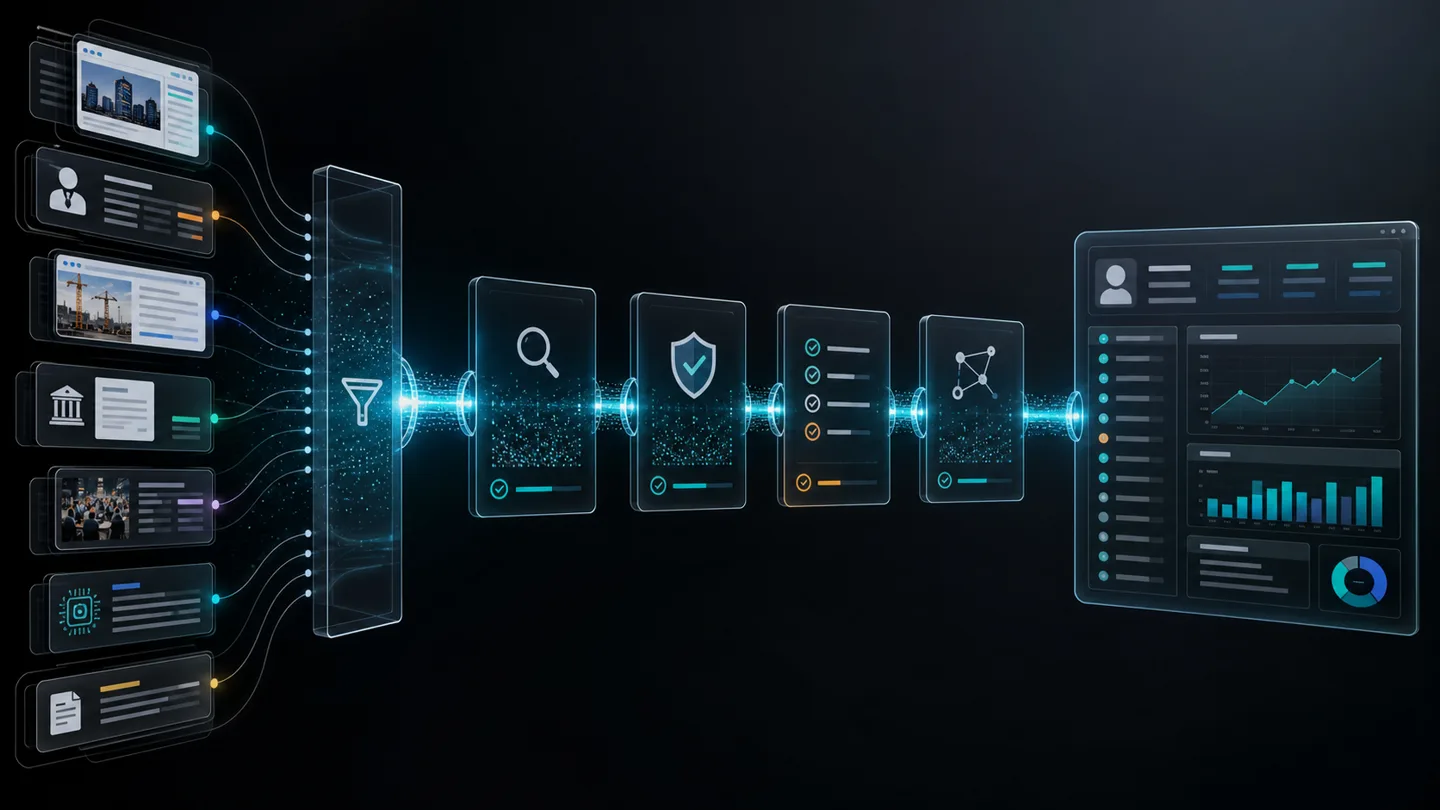
What schema drift gates actually do
A schema drift gate is the checkpoint between tool discovery and workflow trust.
It answers a few basic questions before an agent route is allowed to keep operating as normal:
- Is the discovered tool contract the one this workflow was approved against?
- If it changed, is the change backward compatible for this specific lane?
- Do strict structured-output settings still pass against the effective schema?
- Should the workflow continue, downgrade, pause for review, or block entirely?
That is not bureaucracy. It is the difference between a dynamic tool ecosystem and a fragile one.
Five controls that matter most
1. Freeze approved contracts by workflow lane
Do not let every agent route consume whatever tool definition appears at runtime.
For each production workflow, preserve the approved tool names, schema versions, required fields, enum sets, output expectations, and allowed optional expansions. Discovery can remain dynamic at the platform level. The release gate should still know which contract the workflow was tested against.
This is especially important when tool search or deferred loading brings new tools into scope during a live interaction.
2. Capture a schema fingerprint on every run
A run record should preserve more than the tool name.
Store enough information to tell what contract actually governed the call: schema version, hash, required keys, enum definitions, server identity, and whether the tool came from a static registry, deferred loading path, or remote MCP server.
That turns a future investigation from guesswork into a concrete comparison.
3. Separate syntax compatibility from semantic compatibility
Passing JSON validation is necessary. It is not sufficient.
A contract can remain syntactically valid while becoming semantically different. The field still exists. The shape still parses. The meaning changed.
For important workflows, maintain compatibility tests using real examples and business assertions, not just schema validation. If a tool used to accept a free-form status note and now expects a normalized state code, valid JSON alone will not protect you.
4. Canary new contracts before broad release
Treat schema changes like code changes.
New contracts should first hit a narrow lane: shadow mode, internal review mode, or a low-risk recommendation path. Measure tool-call success, validation failures, unknown enum rates, fallback frequency, and human correction volume before the new contract becomes generally trusted.
This matters even more when the tool sits behind a remote server you do not directly own.
5. Define downgrade and block policy in advance
When a contract drifts, the workflow needs a deterministic response.
- Safe continue: backward-compatible additive change, tests passed, structured outputs still validate.
- Downgrade: switch to read-only collection, draft mode, or human-prep mode.
- Pause for review: contract changed in a way that affects side effects, approvals, or evidence shape.
- Block: incompatible schema, ambiguous semantics, or policy-sensitive field changes.
The bad pattern is waiting for the model to improvise around a changed contract.
Where schema drift hurts first
Agent workflows with side effects
If a tool can create, update, submit, approve, or notify, schema drift is not a formatting problem. It is a business-state problem.
Evidence-sensitive review workflows
If a workflow produces review findings, risk packets, or escalation records, a field-level change can silently alter what evidence is carried forward and what gets dropped.
Private AI stacks behind OpenAI-compatible APIs
Once local inference and hosted APIs share similar client surfaces, teams can assume the compatibility problem is solved. It is not. Model compatibility does not remove tool-schema compatibility, parser compatibility, or contract drift risk.
MCP-heavy tool ecosystems
The MCP model is useful because tools can be discovered and updated more flexibly. That same flexibility means schema-change discipline has to move from wishful thinking into the actual release process.

A practical operating checklist
- Inventory every production tool contract with version, owner, server, approval status, and workflow lanes that depend on it.
- Enable strict schema enforcement where supported instead of relying on best-effort tool formatting.
- Test backward compatibility with real tasks, not only with toy payloads.
- Record schema fingerprints in the run manifest so later reviews can compare what changed.
- Alert on contract drift events such as new required fields, enum changes, or discovered-tool replacements.
- Define degrade, pause, and block paths before a high-value workflow encounters a changed contract live.
- Keep human review close to side effects whenever a tool contract change could alter what the business actually does.
Questions buyers should ask now
- Can the platform prove which exact schema version a past tool call used?
- Do remote MCP tools and deferred tool definitions go through compatibility gates before production trust is restored?
- Are strict schema settings enabled for both model outputs and tool calls where the platform supports them?
- What happens when a discovered tool changes required fields or enum values?
- Does the workflow downgrade safely, or does it keep operating with best-effort guesses?
- Can operators distinguish syntactic validity from semantic compatibility?
- Are schema changes treated as release events, or merely as background plumbing?
If those answers are vague, the workflow may still demo well. It is not yet reliably governed.
The commercial takeaway
Dynamic tool ecosystems are becoming normal.
OpenAI, Anthropic, MCP, and self-hosted stacks like vLLM are all moving toward more structured, interoperable, tool-rich workflows. That lowers the barrier to building useful agents. It does not remove the need for release discipline.
The durable enterprise advantage will not come from the team that discovers the most tools. It will come from the team that knows which contract is approved, which changes are compatible, which runs were affected, and when the workflow should degrade instead of guessing.
That is what schema drift gates deliver.
Related reads
- Structured Outputs Are Becoming the Control Layer for Enterprise AI
- AI Agents Need Run Manifests
- Tool Calls Are Not Outcomes
- AI Workflow Services